






The Moroccan shrimp has an exceptional taste (We should use the word "shrimps" since there are several varieties) it is the emblem of the sea, it combines taste, balance and exoticism.
It is an excellent shrimp thanks to Its beautiful orange-red color, to its firm flesh, to its glow and its flavor. The deep-water rose shrimp can charm you by the delicacy and subtlety of their delicately iodized scent.
The Moroccan shrimp is one of the few foods that are naturally rich in protein and low in fat. It is a source of vitamins, phosphorus and iodine, it contains proteins with excellent nutritional qualities as well as, but in small quantities, the Omega 3 that is vital to the body.
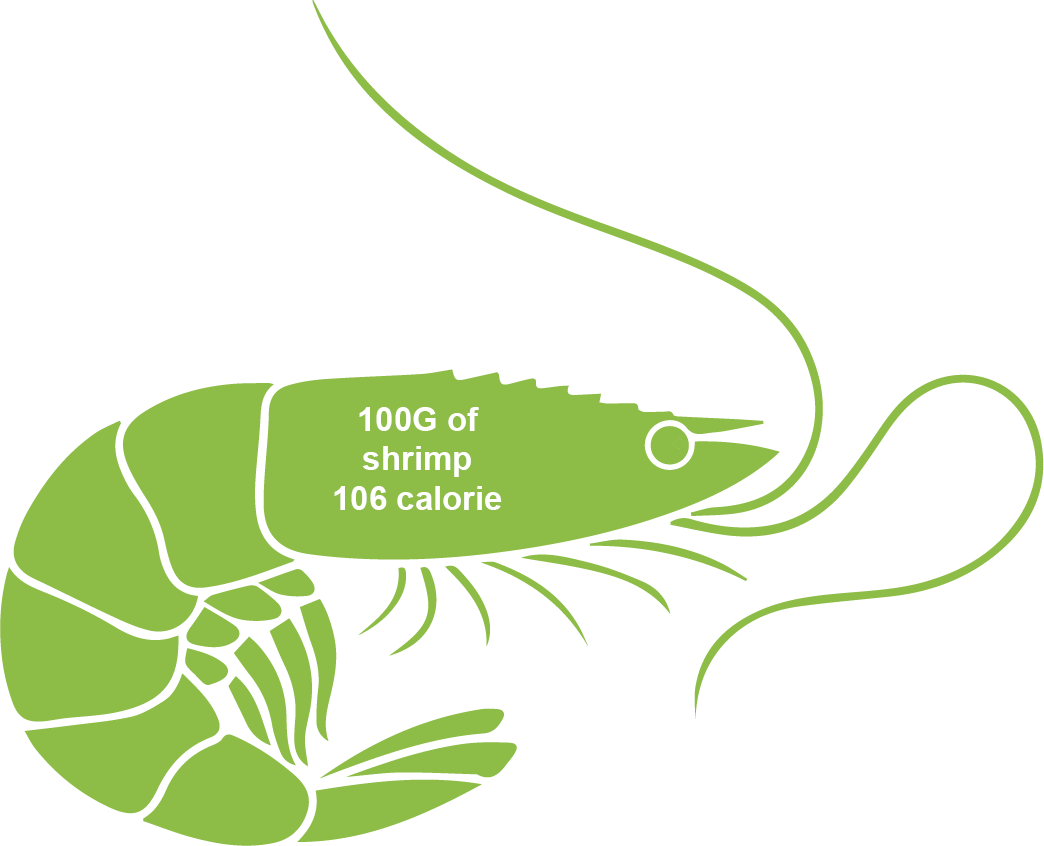
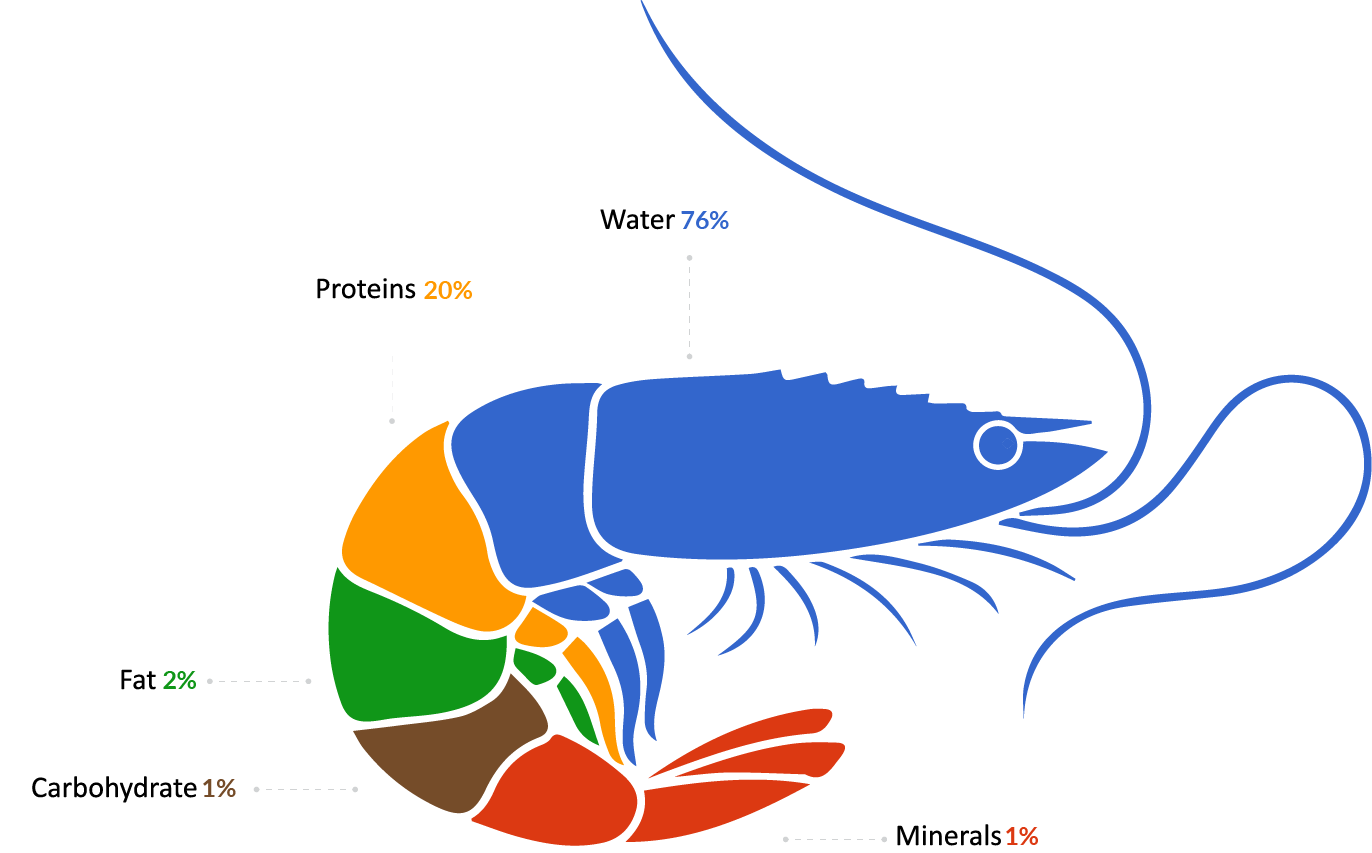
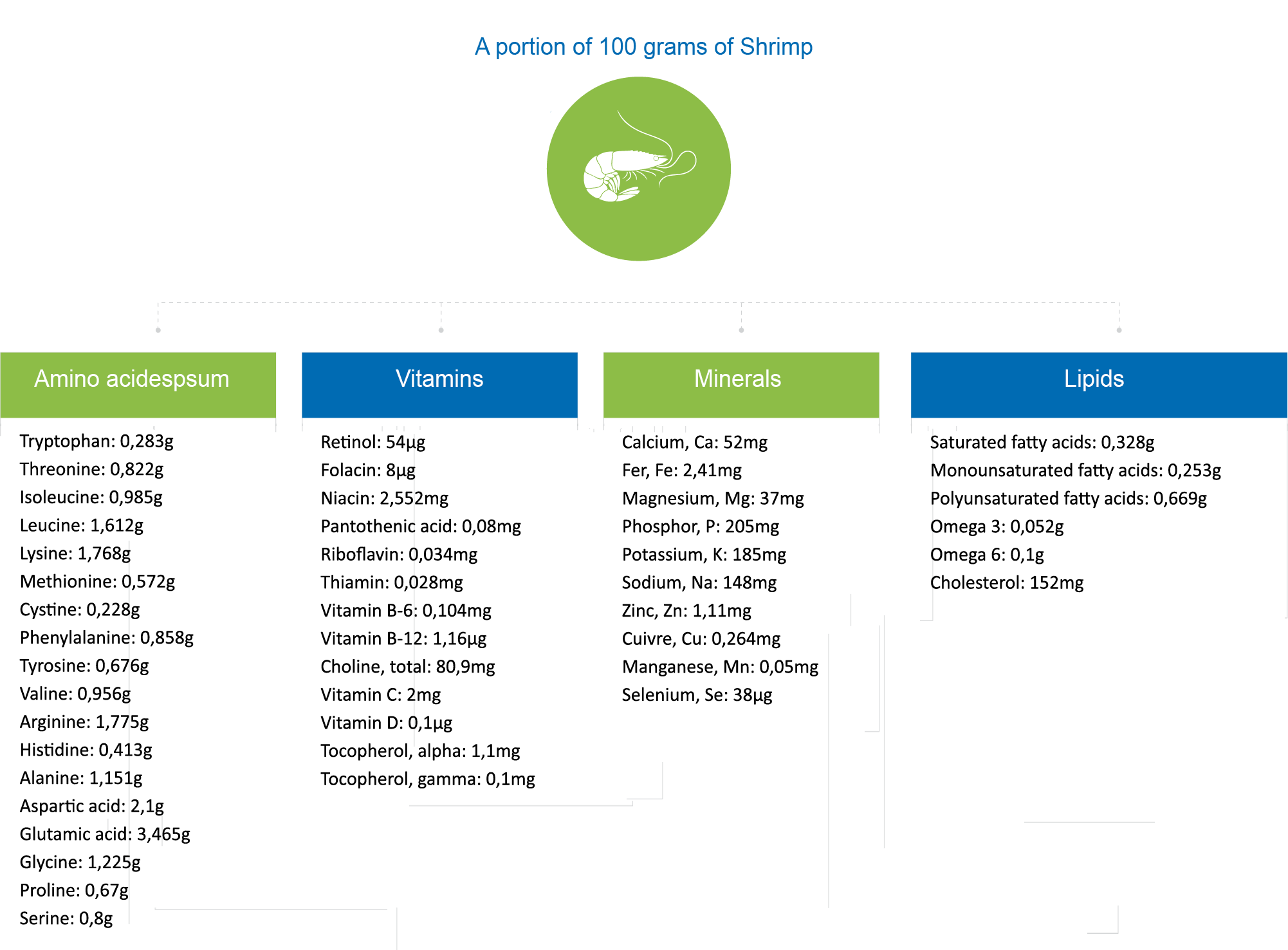
The shrimp contains substances called "bioactive compounds" that help prevent some chronic diseases.
In addition to the omega-3s (EPA and DHA) and high-quality proteins, the shrimp contains astaxanthin and coenzyme Q that have antioxidant properties.
The following table contains the characteristics and the role of substances that are present in the deep-water rose shrimp.
| Compound | characteristics | Health benefits |
| Astaxanthin |
The Astaxanthin is a member of the carotenoids family. |
Thanks to its antioxidant properties, it has protective effects against cancer, cardiovascular diseases and other chronic diseases. It is also involved in good functioning of the immune system. |
|
It is responsible for the orange-red color of salmon, shrimp and other crustaceans. |
||
|
It contains antioxidant properties that outperforms the properties of beta-carotene and vitamin E. |
||
| Coenzyme Q10 |
It is a compound with a similar chemical structure to vitamin K. It acts as a vitamin in the body. It has antioxidant properties. |
The CoQ10 can reduce blood pressure in ill people with hypertension, it has a preventive role against cardiovascular diseases. It also prevents the oxidation of cholesterol LDL, the latter being considered as a risk factor for cardiovascular diseases. |
|
It has antioxidant properties. |
||
| Omega 3 fatty acids |
The shrimp contains eicosapentaenoic acid (EPA) and docosahexaenoic acid (DHA), two polyunsaturated fatty acids from the omega-3 family. |
Marine origin Omega-3s (EPA and DHA) favors the cardiovascular health and are associated with a lower risk of death from cardiovascular disease. |
| Protein |
The fish proteins are said to be of high biological value because they contain all the essential amino acids (those that the body cannot produce and which must come from the diet) in optimal proportions so that the body absorbs and uses them. |
Compared to other animal protein sources, the fish protein improves insulin sensitivity and increase glucose absorption by the body, implicitly contributing in the prevention of diabetes |
Like all fish and crustaceans, the shrimp is particularly rich in group B vitamins, minerals and oligo elements that are beneficial to health.
| Nutriment | Rôle |
| Magnesium |
Magnesium participate in bone development, protein formation, enzymatic actions, muscle contraction, dental health, and the functioning of the immune system. It also plays a role in the metabolism of energy and in the transmission of nerve impulses. |
| Vitamin E |
The vitamin E is a vital antioxidant that protects the membrane that surrounds the cells of the body, particularly red blood cells and white blood cells (immune system cells). |
| Iron |
This mineral is mandatory for the transport of oxygen and the formation of red blood cells in the blood. It also plays a role in the production of new cells, hormones and neurotransmitters. |
| Copper |
As a component of several enzymes, copper is necessary for the formation of hemoglobin and collagen (protein for the structure and tissue repair) in the body. Several enzymes that contain copper also contribute to the body's defense against free radicals. |
| Selenium |
This mineral works with one of the main antioxidant enzymes, preventing the formation of free radicals in the body. It also helps to convert thyroid hormones into their active form. |
| vitamin B12 |
This vitamin works with vitamin B9 (folic acid) to produce red blood cells in the blood. It also maintains the nerve cells and the cells making the bone tissue. |
| Phosphorus |
The phosphorus is the second most abundant mineral in the body after the calcium. It plays a vital role in the formation and maintenance of healthy bones and teeth. In addition, it participates among other things in the growth and regeneration of tissues and helps regulating the pH of the blood. Finally, the phosphorus is one of the constituents of cell membranes. |
| Zinc |
Zinc participates in the immune system reactions, the production of genetic material, the taste perception, the wound healing and the fetal development. It also interacts with sexual and thyroid hormones. In the pancreas, it participates in the production, storage and release of insulin. |
| Vitamin B3 |
Also called niacin, the vitamin B3 participates in many metabolic reactions and contributes particularly to the production of energy from carbohydrates, lipids, proteins and alcohol that we ingest. It also contributes in the process of DNA formation, allowing normal growth and development. |