






The Moroccan sea bream with its fine and tasty meat and subtly iodized taste wins the prize of excellence among the lovers of exceptional fish.
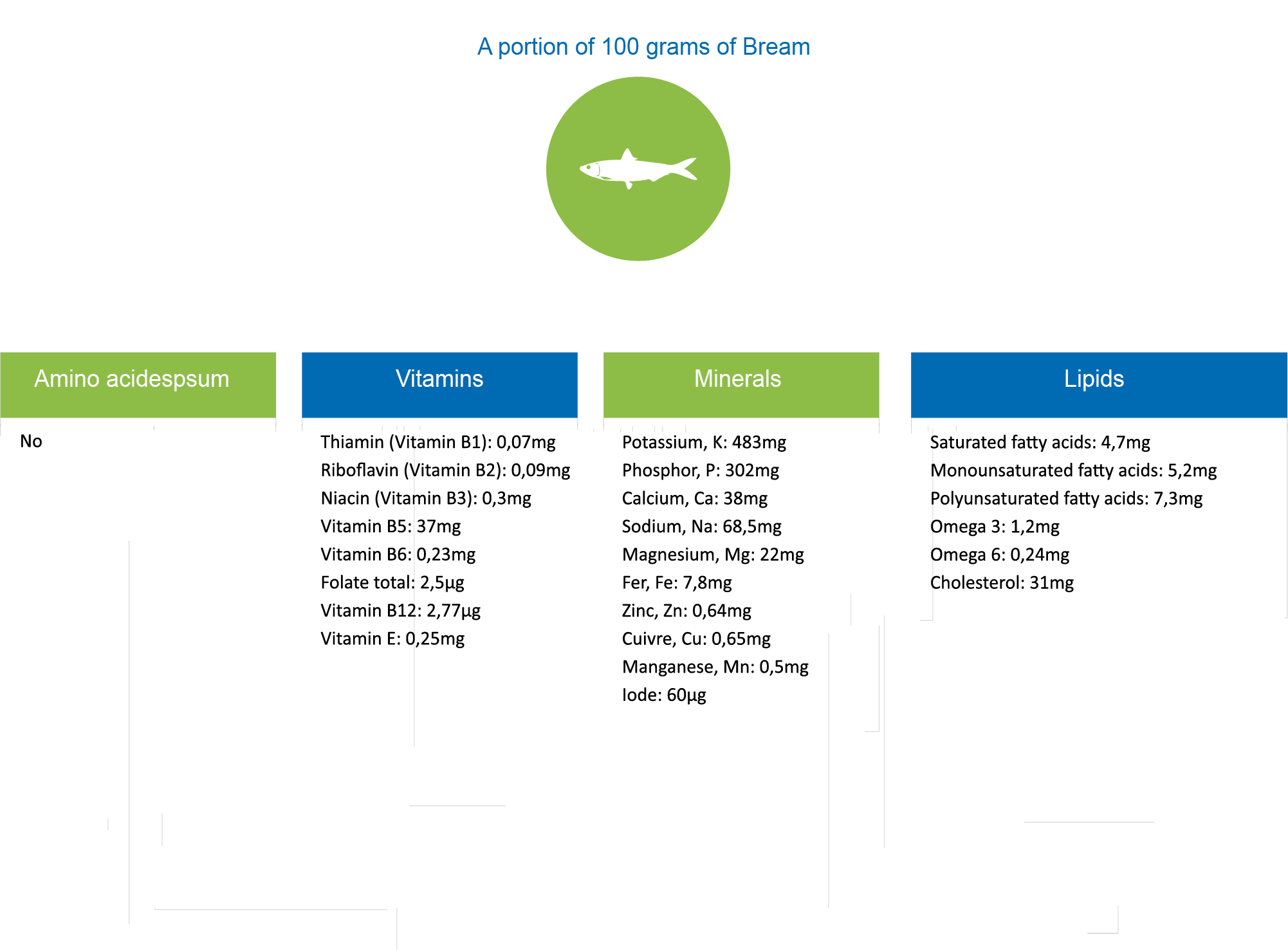
The Moroccan sea bream is a particularly lean fish that contains omega 3, high quality protein, group B vitamins and a good concentration of minerals and oligo elements.

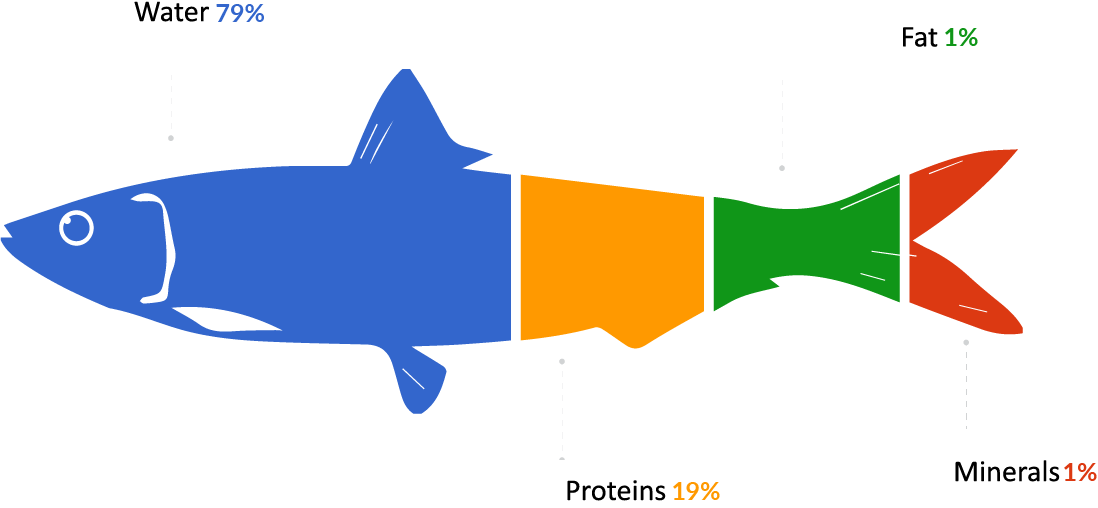
The sea bream provides proteins that play a major role in the formation of digestive enzymes, hormones and tissues like the skin and bones.
Although it contains a small amount of lipids, these lipids have monounsaturated and polyunsaturated fatty acids that have widely recognized health benefits. It contains the two polyunsaturated fatty acids of the omega 3 family that have protective effects on the cardiovascular system: The eicosapentaenoic acid and the docosahexaenoic acid. These two fatty acids also have anti-inflammatory effects that are useful in the treatment of pathologies such as asthma, rheumatoid arthritis, psoriasis and inflammatory bowel disease. They contribute as well in the prevention of mood disorders such as depression. The docosahexaenoic acid is involved in the development and functioning of the brain and the maintenance of cognitive functions and vision.
Rich in minerals, the seabream is a good source of vitamins, especially those in the B group including the B12. It also contains the antioxidant vitamin E. Its flesh is filled particularly with minerals and oligo elements: potassium, phosphorus, iron, calcium.
| Nutrient | Rôle |
| Potassium |
It balances the pH of the blood in the body and stimulate the stomach to produce hydrochloric acid, thus promoting digestion. In addition, it facilitates the contraction of muscles, including the heart, and collaborates in the transmission of nerve impulses. |
| Vitamin E |
As a major antioxidant, the vitamin E protects the membrane that surrounds the cells of the body, particularly red blood cells and white blood cells (immune system cells). |
| Panthotenic acid |
Also referred to as vitamin B5, the pantothenic acid is part of a vital coenzyme that allows us to use the energy of the food we eat. It also participates in several phases of the synthesis (Production) of steroid hormones, neurotransmitters and hemoglobin. |
| Sodium |
It helps maintain the hydric balance of the body. In collaboration with other salts such as bicarbonate and chlorine, it also participates in the acido-basic balance that allows the blood to have a stable pH. It is also involved in muscle contraction and nerve impulses transmission. Finally, the sodium is involved in the transmission of sugar and other nutrients from the blood into the cells. |
| Calcium |
Calcium is by far the most abundant mineral in the body. It is mostly stored in bones and is an integrated party of it. It contributes to the building of bones and teeth, as well as the maintenance of their health. Calcium also plays a vital role in blood clotting, blood pressure maintaining and muscles contraction (including the heart). |
| Iron |
This mineral is mandatory for the transport of oxygen and the formation of red blood cells in the blood. It also plays a role in the production of new cells, hormones and neurotransmitters. |
| Magnesium |
The magnesium participate in bone development, protein formation, enzymatic actions, muscle contraction, dental health, and the functioning of the immune system. It also plays a role in the metabolism of energy and in the transmission of nerve impulses. |
| vitamin B12 |
This vitamin works with vitamin B9 (folic acid) to produce red blood cells in the blood. It also maintains the nerve cells and the cells making the bone tissue. |
| Phosphorus |
The phosphorus is the second most abundant mineral in the body after the calcium. It plays a vital role in the formation and maintenance of healthy bones and teeth. In addition, it participates among other things in the growth and regeneration of tissues and helps regulating the pH of the blood. Finally, the phosphorus is one of the constituents of cell membranes. |
| Vitamin B2 |
This vitamin is also known as riboflavin. Like vitamin B1, it plays a role in the energy metabolism of all cells. In addition, it contributes to the growth and repair of tissues, the production of hormones and the formation of red blood cells. |
| Vitamin B3 |
Also called niacin, the vitamin B3 participates in many metabolic reactions and contributes particularly to the production of energy from carbohydrates, lipids, proteins and alcohol that we ingest. It also contributes in the process of DNA formation, allowing normal growth and development. |